Turning 'What If' Into Action: Emergency Prep for Solo Riders
Welcome back to the blog! If you have ever kicked up your side stand, pointed your front wheel toward a remote horizon, and immediately felt your stomach drop with a wave of dread, you are far from alone. Solo motorcycle riding is one of the most liberating experiences on Earth, but it also strips away the safety net of a group. There is no lead rider to guide you through a breakdown, no sweep rider to pick up the pieces, and no friendly face at a campfire to talk you down when your brain decides to replay every worst-case scenario imaginable. In this post, we are diving deep into how you can stop that debilitating anxiety in its tracks by transforming vague, paralyzing fears into a structured, highly actionable emergency plan.
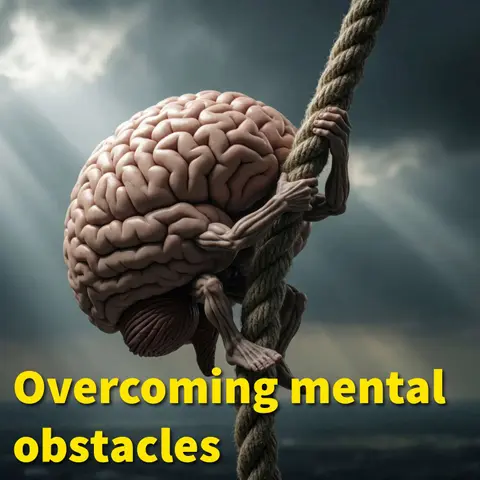
This written guide is a direct expansion of everything we cover in our latest podcast episode. If you want to dive even deeper into the psychology of riding alone, make sure you listen to Overcoming Mental Obstacles of Solo Motorcycling: Mindset Shifts for Confident Riding after you finish reading.
Introduction: The Solo Rider's Mindset and the Weight of 'What If'
When you ride in a group, the mental load of the journey is inherently distributed. Someone else is checking the map, someone else has a tire inflation kit, and the collective energy of the pack keeps morale high. When you transition to solo riding, that dynamic flips entirely. Every mechanical sound, every drop of rain, and every fading cell service bar lands squarely on your shoulders. The weight of "what if" can feel immense.
The human brain is naturally wired for survival, which means it loves to catastrophize. When you are alone on a motorcycle, your brain treats the vast open road as an unpredictable threat landscape. Left unchecked, these thoughts can spiral out of control, turning a scenic weekend getaway into an exhausting mental marathon. But the secret to overcoming this isn't pretending that nothing will ever go wrong. The secret lies in changing how you process those thoughts, moving away from passive worry and stepping into active, structured preparation. By taking control of the things you can actually influence, you can reclaim the joy and freedom of the open road.
The Trap of Vague Anxiety on the Open Road
Vague anxiety is a solo rider's silent killer. It manifests as a low-grade hum of dread in the back of your mind. You aren't worrying about a specific, identifiable problem; instead, you are worrying about everything all at once. What if the engine dies? What if I get stranded in the desert? What if I crash where nobody can find me? Because these fears are formless and undefined, your brain treats them as insurmountable monsters.
When anxiety lacks a shape, it paralyzes you. It makes you tense your shoulders, grip the handlebars too tightly, and second-guess every line you take through a corner. This physical tension actually increases your risk of fatigue and accidents, creating a self-fulfilling prophecy. To break this trap, you have to drag those formless fears out into the light. You have to force your brain to stop speaking in generalities and start speaking in specifics. Vague worries tell you that you are helpless. Specific scenarios tell you what tools you need to fix the problem.
Transforming Worst-Case Scenarios Into A Structured Action Plan
The antidote to vague anxiety is structure. Let us take a terrifying, paralyzing thought—like breaking down in the middle of nowhere—and dismantle it piece by piece. When you find yourself spinning out over a worst-case scenario, stop and write it down. Then, build an explicit step-by-step protocol for what you would do if that exact situation happened.
Ask yourself the hard questions. If the bike stops running, what is your first step? Move the motorcycle to a safe shoulder. Step two: assess the mechanical issue. Is it fuel, spark, or air? Step three: check your communication options. Do you have a satellite messenger? If not, what is the distance to the nearest settlement on foot? By mapping out these responses long before you ever turn the key in the ignition, you strip the scenario of its emotional charge. It stops being a terrifying mystery and becomes an engineering or logistical problem with a finite set of solutions. When you know your plan, panic loses its fuel.
Verifying Your Emergency Gear Before You Kick Up the Stand
Having a plan is only half the battle; you also need the physical tools to back it up. There is a massive psychological difference between hoping you are prepared and knowing you are prepared. Before you ever kick up your side stand for a solo trip, you need to conduct a rigorous audit of your emergency and survival gear.
This means going through your tool roll to ensure every wrench matches the fasteners on your specific motorcycle. It means testing your tire repair kit, checking the expiration dates on your first aid supplies, and ensuring your electronic communication devices are fully charged and functioning. When you physically touch your gear, pack it methodically, and confirm its readiness, you send a powerful signal to your subconscious mind. You are telling your brain, "We have a plan, and we have the tools to execute it." That ritual of checking your kit acts as a powerful anchor, anchoring your confidence firmly in reality rather than wishful thinking.
Practicing Mindfulness to Break the Cycle of Intrusive Thoughts
Even with the best planning and the finest gear, long stretches of monotonous highway riding will inevitably test your mental endurance. When the road flattens out, the scenery becomes repetitive, and the drone of the engine lulls you into a trance, intrusive thoughts love to creep back in. This is when the boredom of solo riding transforms into a breeding ground for anxiety.
To break this cycle, you have to master the art of active mindfulness on the bike. Instead of letting your mind wander into dark or anxious hypotheticals, anchor your awareness entirely in the present physical moment. Tune into the visceral sensations of riding: feel the deep, steady vibrations of the engine through the footpegs, notice the pressure of the wind against your chest, actively scan the horizon for distinct colors, and monitor your own breathing. Are your shoulders locked? Drop them. Are you biting your tongue? Relax your jaw. By forcing your consciousness back into the immediate sensory experience of the ride, you short-circuit the anxious brain and step into a state of sharp, calm focus.
Managing Fatigue and Pacing on Long Stretches
Physical fatigue and mental fatigue are intimately connected. When you are riding solo, it is dangerously easy to push past your limits. Without a group stopping for fuel, coffee, or stretches every hour, you might find yourself riding for four or five hours straight simply because you are making good time. This is a massive mistake.
Cognitive lapses happen subtly. Long before your muscles feel completely exhausted, your brain’s processing speed slows down. Your reaction times degrade, your hazard scanning becomes lazy, and your vulnerability to intrusive, anxious thoughts skyrockets. To combat this, you must enforce strict, non-negotiable boundaries regarding your pacing. Set a rigid rule for your rides—such as pulling over every 100 miles or every two hours, without exception. Get off the bike, hydrate, walk around, and let your brain reset. This simple habit keeps your physical fatigue low and your mental sharpness razor-sharp throughout the day.
Conclusion: Embracing Radical Acceptance for Confident Solo Rides
Solo motorcycling is an incredible journey of self-reliance, discovery, and personal growth. But it requires an honest appraisal of the mental hurdles that come with riding alone. By acknowledging the weight of "what if," abandoning vague anxieties in favor of concrete action plans, meticulously verifying your emergency gear, practicing present-moment mindfulness, and strictly managing your fatigue, you can transform fear into unshakeable confidence. Remember, preparation does not mean you expect disaster to strike; it means you respect the road enough to be ready for whatever it throws your way.
If you enjoyed this deep dive and want to explore more strategies for mastering your mindset on two wheels, make sure to check out the full conversation on our podcast. Listen to the complete episode and join the discussion by visiting Overcoming Mental Obstacles of Solo Motorcycling: Mindset Shifts for Confident Riding. Ride safe, stay prepared, and we will see you on the next post!


 RSS Feed